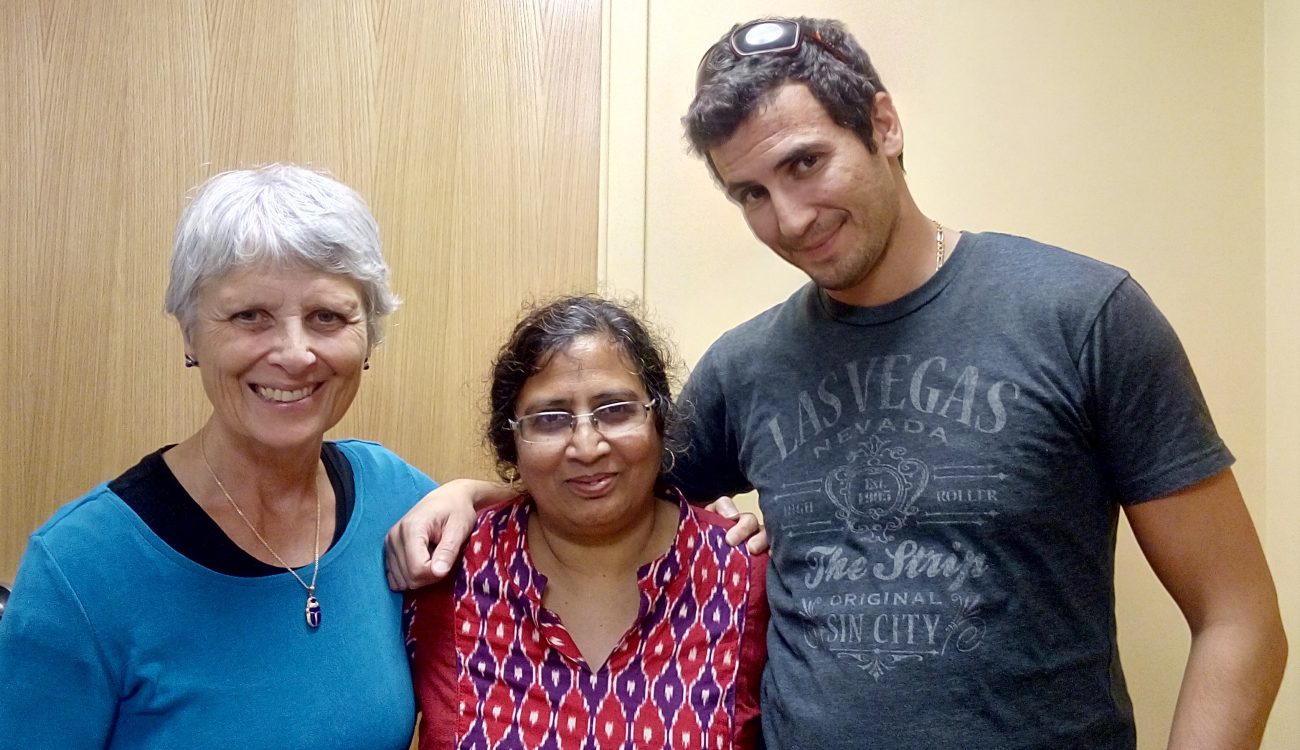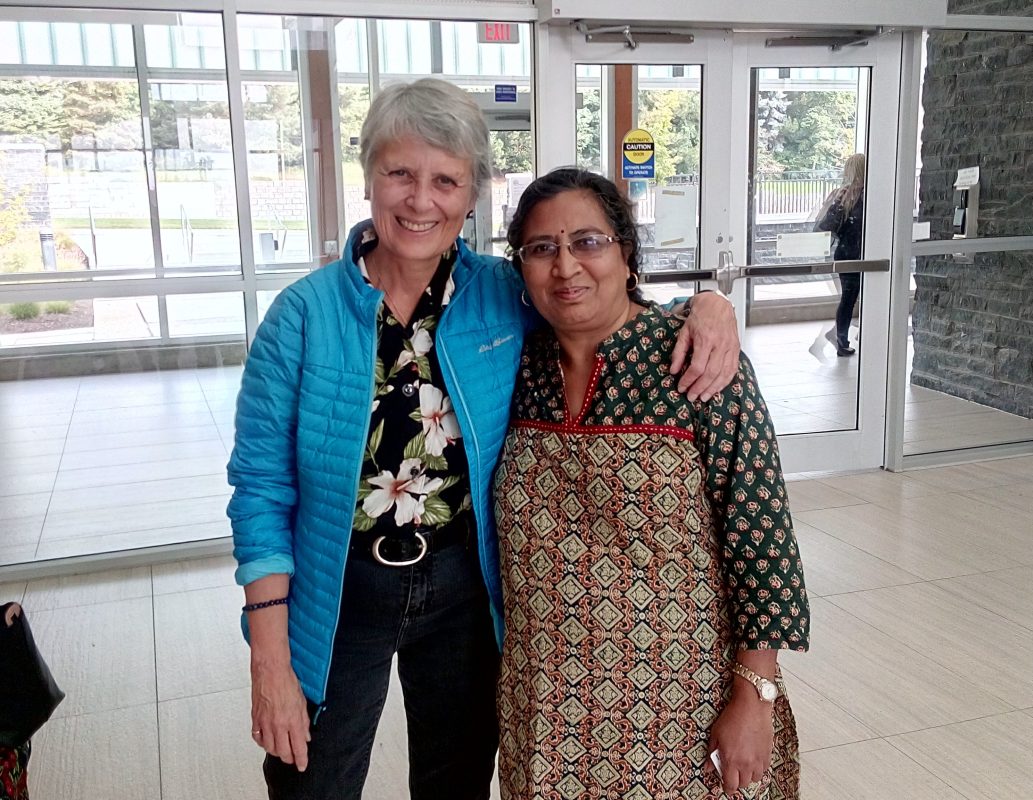

In 1994, while in Edmonton, I met two remarkable women whom I label as academic mom and host mom. (I use the word ‘mom’ here as I juggled with tons of words and none seemed right.) Both shaped me in different ways–one taught me a fiery resilience and independence, and the other offered me an emotional bond far away from home . Despite a liberal, ungendered home upbringing, I was still negotiating my understanding of women’s roles and the shifting terrain of gender and feminism. When I received the SICI (Shastri Indo-Canadian Institute) graduate award to spend time at the University of Alberta, I had no idea how life away from my 7-year-old would unfold.
Even before I left for Canada, I encountered my academic mom at a conference in Mysuru. I had presented a paper, “Feminism in Select Short Stories of Alice Munro and Shashi Deshpande,” and the organiser -the chair of my session and a senior professor, not only did not allow me to complete reading my paper but dismissed it and wouldn’t allow me to take questions. I had spent hours preparing it, working late into the night while my child slept or was at school, and here it was swept aside in two minutes. It was then that a loud voice rang out: “Let her finish reading and give her time to take questions”. The fact that the academic was a white woman, in all probability, intimidated the professor. Only later did I learn that this was Dr. Janice Williamson, who taught at the University that I was headed to.
Without waiting for me to ask for help or support, she, on her own, offered me help on my arrival at Edmonton. True to her word, once I was in Edmonton, there she was with her booming voice, her lovely smile, and her irrepressible energy, bringing the futon and warm clothing. She welcomed me to her office room flooded with books strewn everywhere. Her faith in my ability was extraordinary; she entrusted me with two of her classes when she went on leave. She taught me what radical feminism meant, encouraged me to voice my opinion, and to be ME. Her spirit of learning and critical thinking has stayed with me.
A month after I reached Edmonton, the international office announced that we could apply for a host family, someone who would, occasionally, take us home, introduce us to Canadian culture, and offer companionship and moral support. This meant that some family would be with us, take us home to their places, and teach us Canadian culture. On the day the hosts came and picked the scholars and students, no one chose me. That was understandable: I was not young; I was a South Asian and I probably looked like a cultural misfit. Then Mary Anne Yurkiw stepped up and said I could be with her. We were around the same age group, and through her, I came to know a Canadian family and culture. We visited a Ukrainian village, celebrated Thanksgiving, and went on visits in Edmonton. She had a son, Nick, (Nicholas) about the same age as mine, and in a way, it echoed my son’s name. Like me, she was interested in crime fiction and introduced me to several contemporary Canadian women writers.
Recently, both these women got connected through yoga – one a teacher and the other a disciple. When Mary Anne informed me about Janice, I could not help but smile. They have remained with me across the years, and acknowledging this enduring bond with these women makes me not only nostalgic but also reminds me how much they have taught me about life.