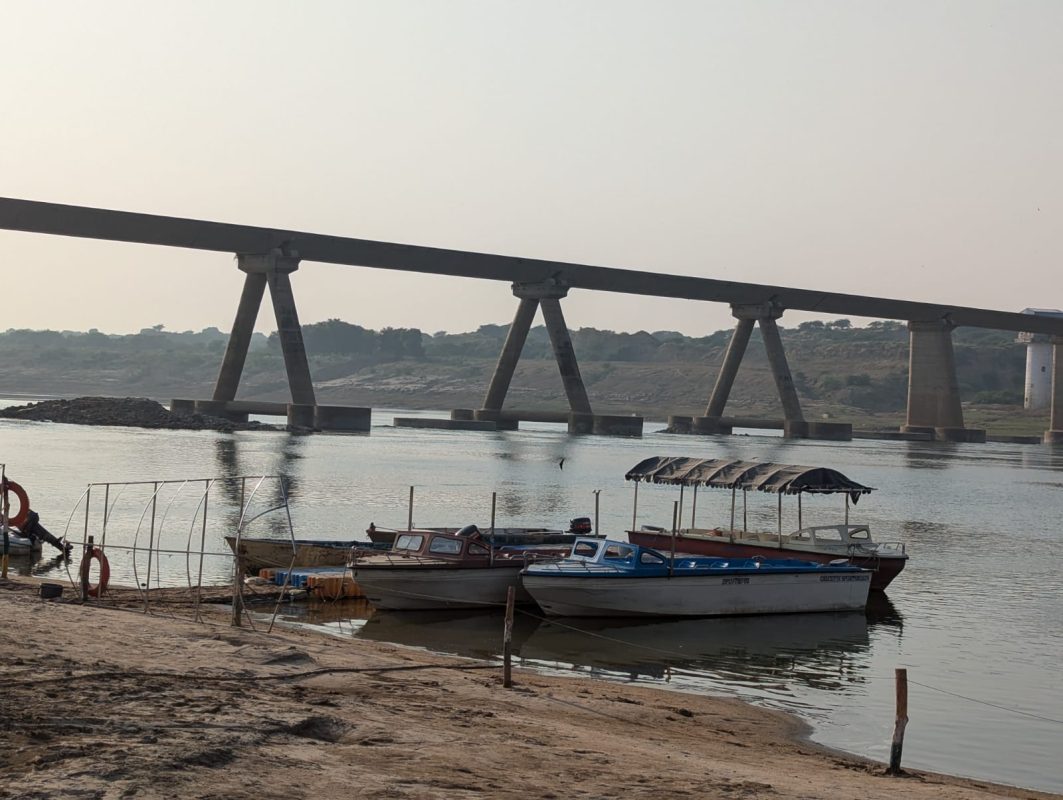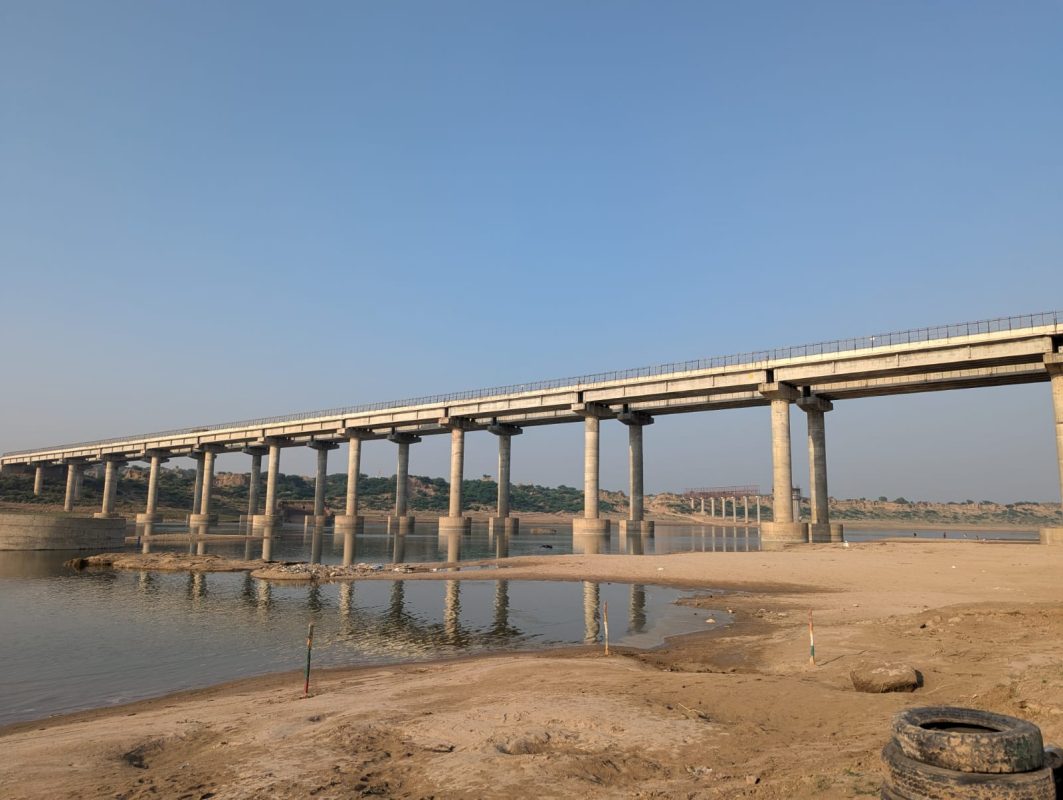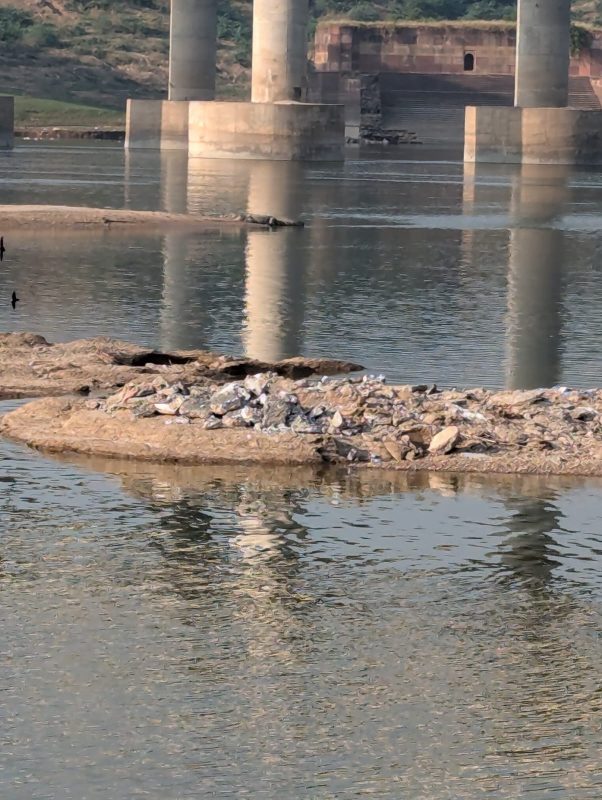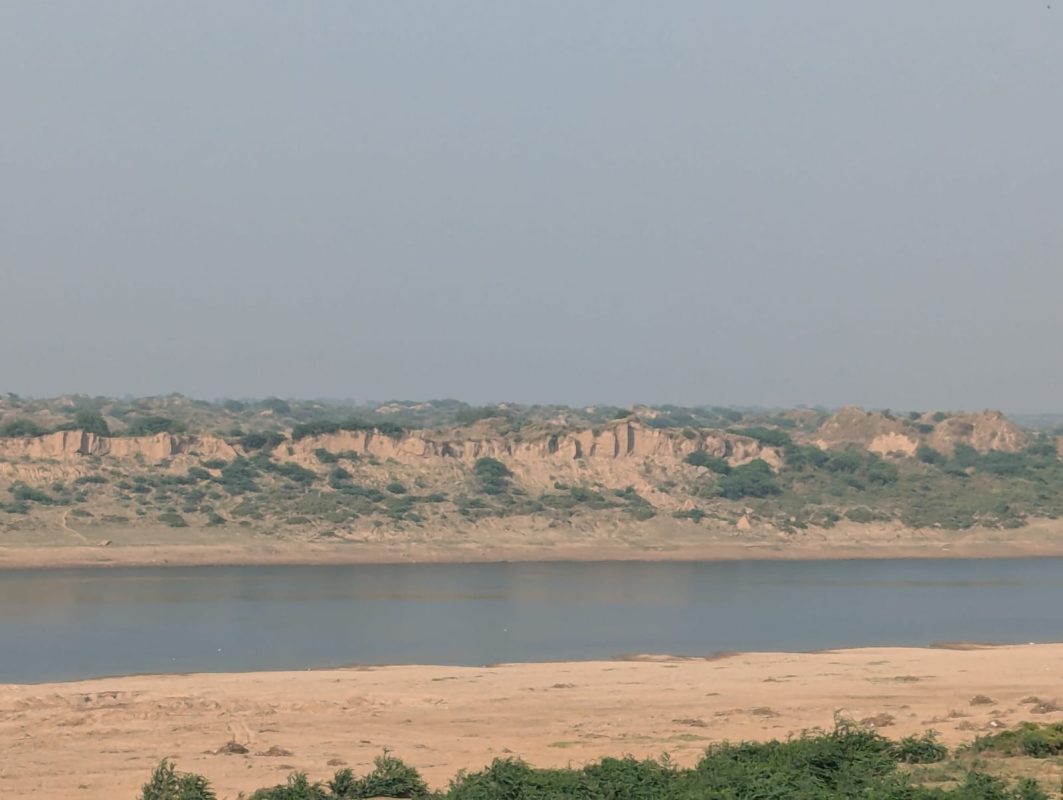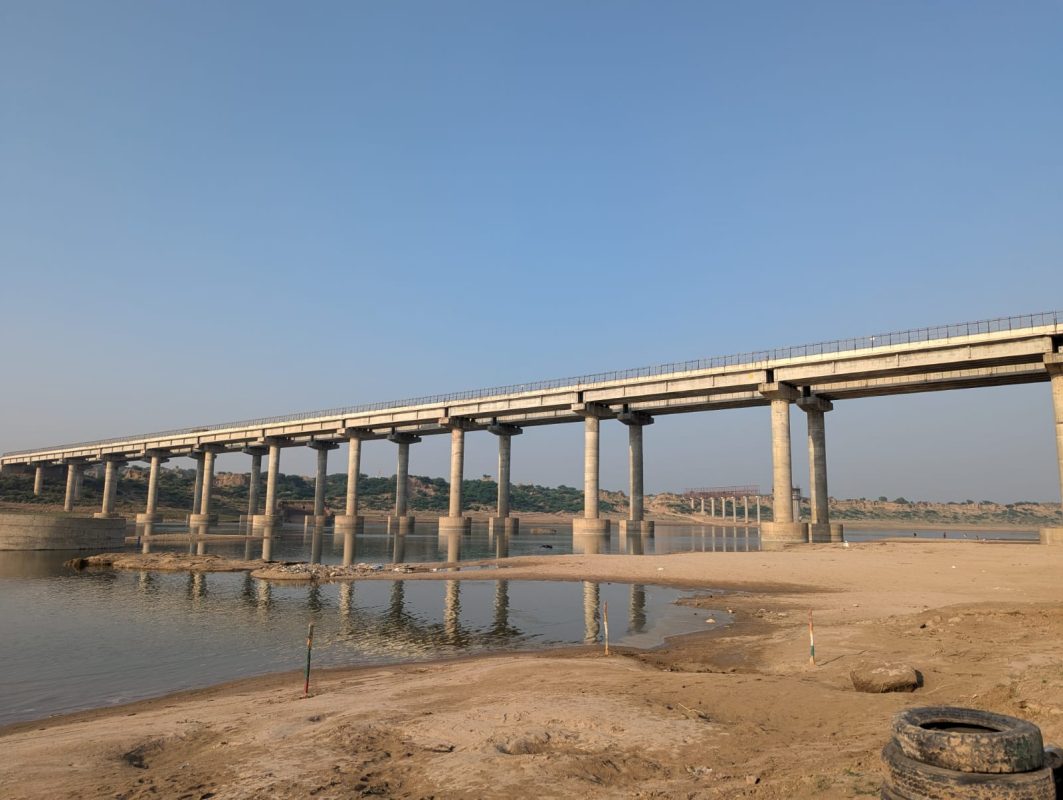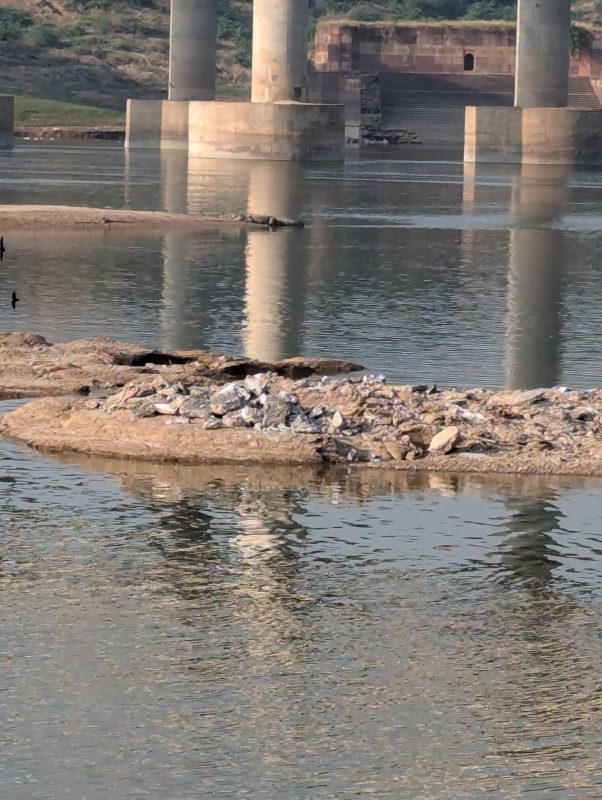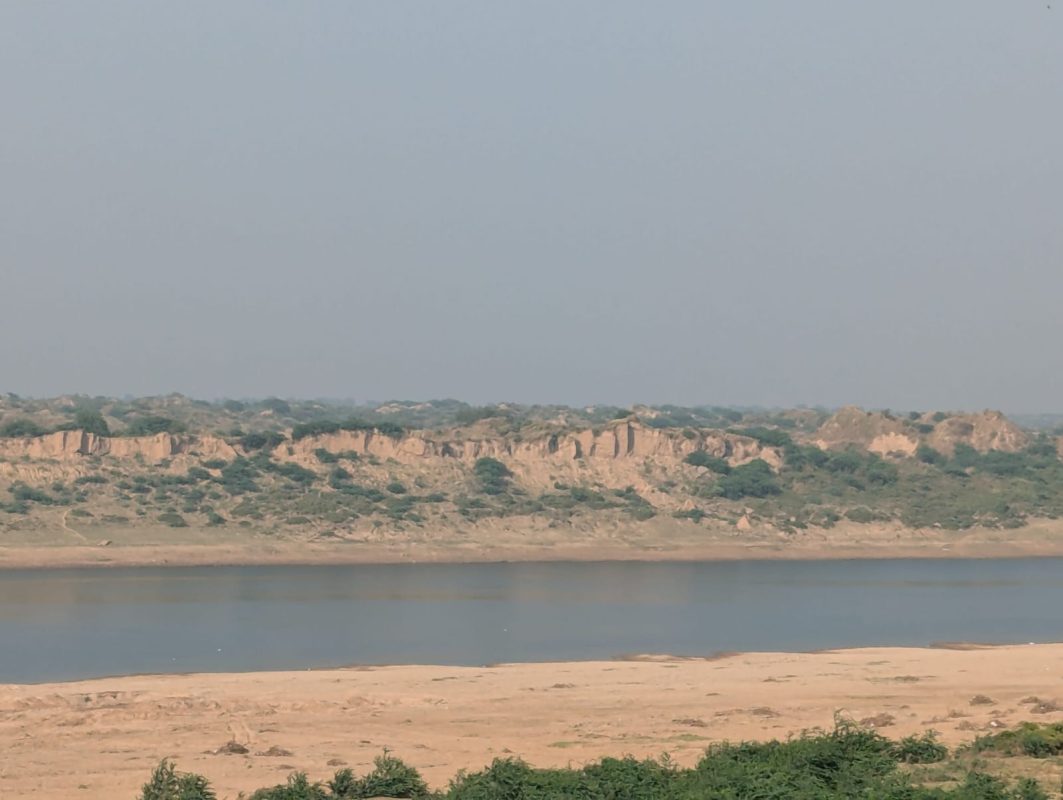

On October 25, 2024, after the school visit and lunch, I visited the Chambal River. The Chambal River at Dholpur offers a Gharial safari, but unfortunately, when we visited, the safari had not yet begun and I was informed that the 1.5 hour safari boat ride across the Chambal, remains open to visitors from October until the end of June. Seeing the Chambal itself was an invigorating experience, as this river that starts in the Vindhya range meanders through Madhya Pradesh and Rajasthan and ends by merging with the river Yamuna in Uttar Pradesh.
The Chambal has a legendary past and is part of the Hindu myths. Historically, the river was called Charmanyavati, a name that is indicative of skin, as ‘Charma’ in Sanskrit refers to the skin. The river has a bloody history as it is thought that the king Rantideva sacrificed innumerable animals and hence the name. In the epic, Mahabharata, the river is mentioned as being part of the territory of Shakuni, the wily strategist of the Kaurava princes, and as per the epic, the infamous dice game that led to the disrobing of Draupadi happened near the banks of this river. Angered that the river remained a mute spectator, Draupadi cursed that anybody drinking water from this river would have dire consequences. Probably due to this belief, the river has remained unpolluted and is one of the few rivers in India that has pristine and clear waters. The river runs for 636 miles (1024 kms).
The ravines around the Chambal in Madhya Pradesh and Rajasthan was also a much-feared region as it was infested by dacoits. Oppressed by the feudal system, caste issues, and poverty, the ravines near the river became the haven of thugs and bandits. A few notorious figures around whom local lore has grown include Paan Singh Tomar, Man Singh, Nirbhay Singh Gujjar and Phoolan Devi.
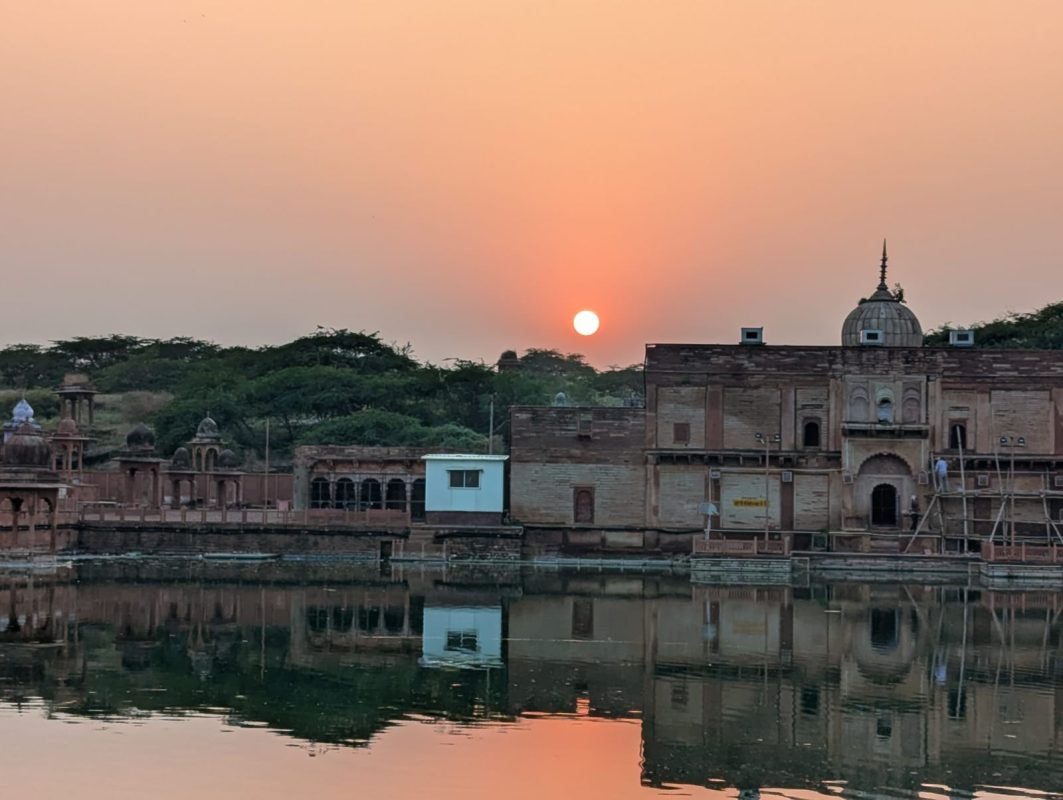
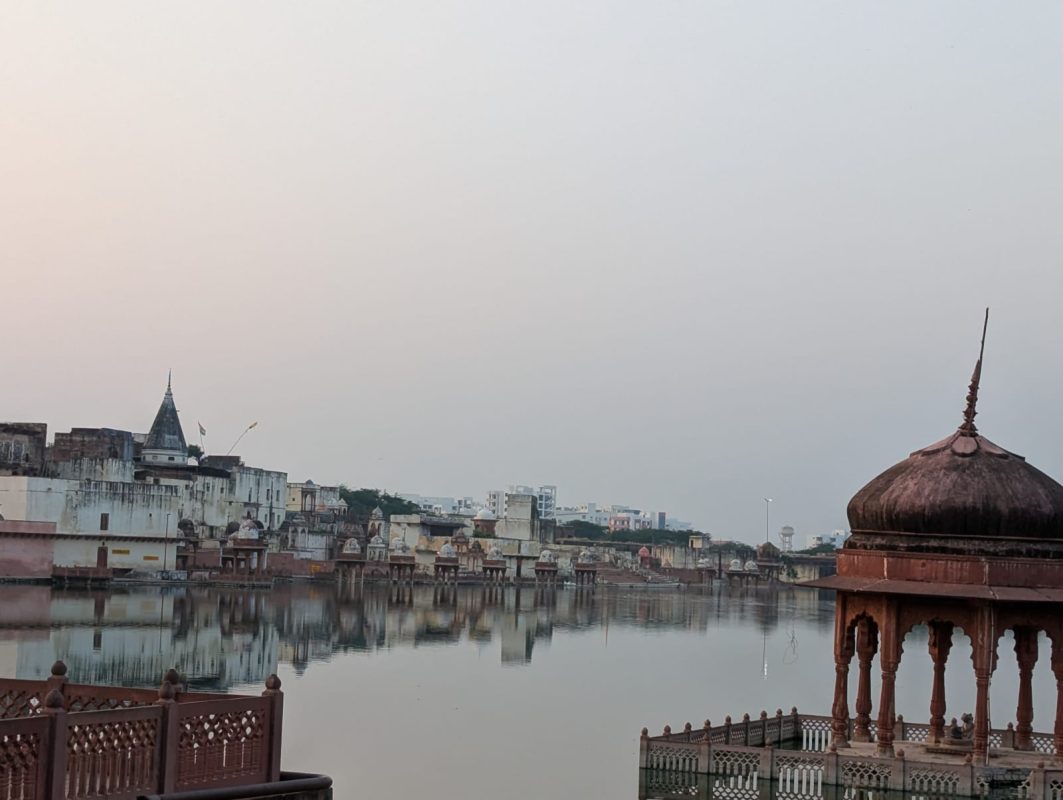
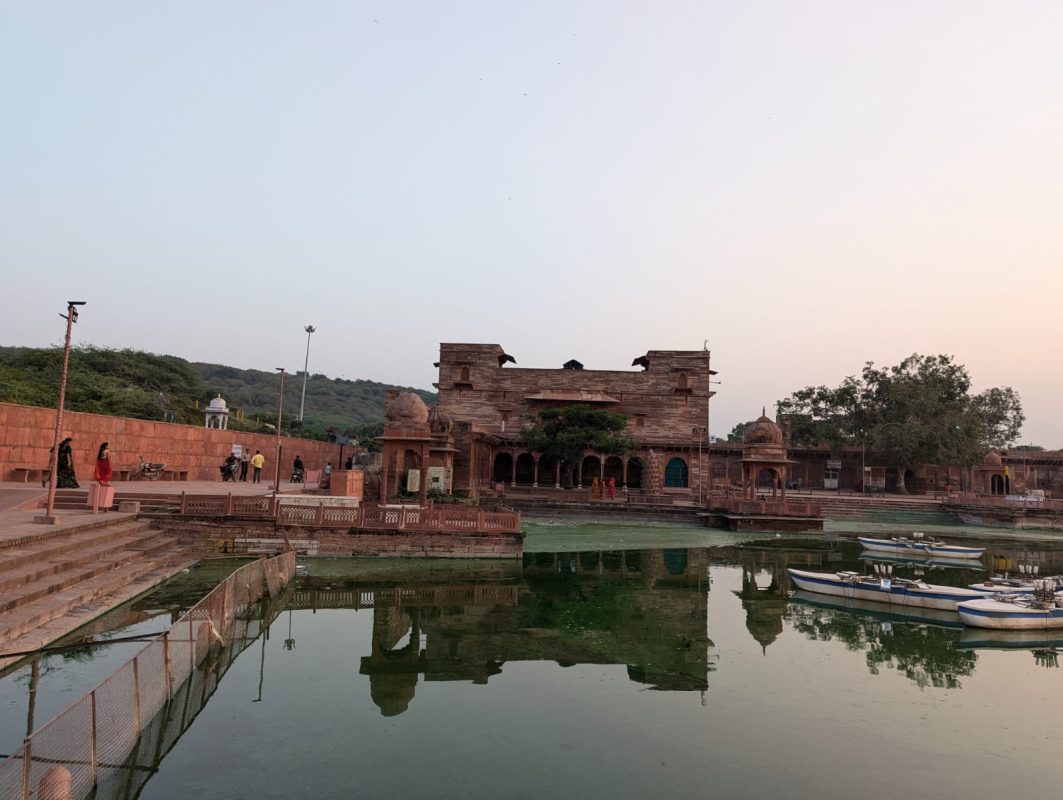
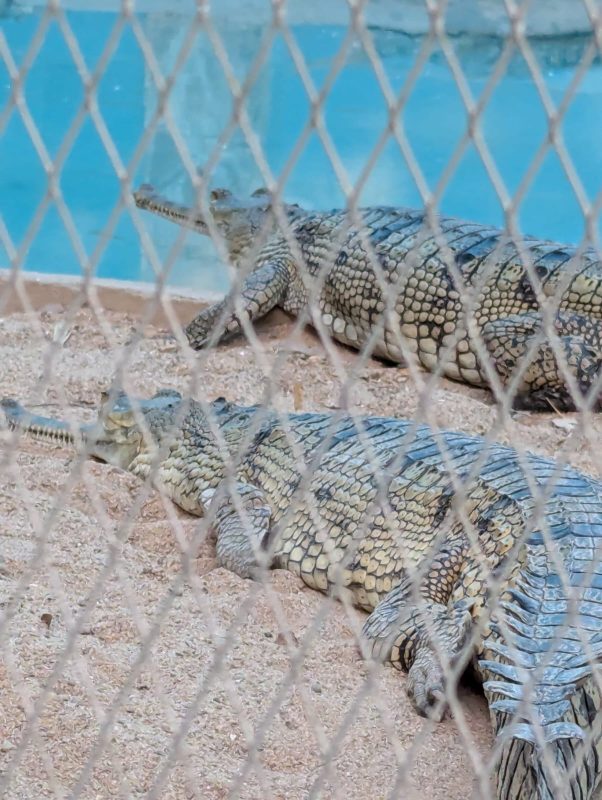
After spending a few minutes looking at the Chambal and sighting a few monkeys and a gharial resting a little distance away, we visited the gharial breeding centre, which is also known as the ‘Eco Park, Deori’. This is the only place in Madhya Pradesh, which is dedicated to breeding and rehabilitating the gharials, which are critically endangered. The place also has mugger crocodiles, tortoises, and red-crowned roof turtles. After seeing the various stages of the baby gharials to the adults, I made my way to the Machkund shrine. By this time, the sun was just setting, and the serenity and the peace surrounding Machkund made me feel as if I had descended into a historical past, far removed from the present moment of life. The ancient structure, the water body, and the energetic monkeys gave it a feel of magnificence and splendour that once occupied the region.
Once again, as all religious places in India, Machkund has ‘sthala purana’. The area was the kingdom of the Raja Machakund, who is supposed to have ruled nineteen generations before Lord Ram and is believed to be the twenty-fourth king in the Suryavanshi Dynasty. Kaalyaman was a friend of the demon Jarasandha and Kamsa. He was also the king of Malech and one of the sons of the rishi (saint) Gargeya. Gargeya, as per legends, had been humiliated by the Yadavas, and he performed intense penance to have a son who would destroy the Yadavas. Kaalyaman, thus, was invincible and could not be destroyed with any weapons nor any member of the Yadava clan. He marched towards Mathura with the intention of destroying the homeland of Krishna and all the Yadavas. Knowing his powers, he fled to a cave where Raja Machakund was resting. The Raja had fought a long and arduous battle on behalf of the gods, and exhausted, he had requested for undisturbed sleep from lord Indra. The lord not only granted the wish but also decreed that if anyone who awakened him would be burnt. When Kaalyavan entered the cave to pursue Krishna, he disturbed the king and as a result was burnt down. Of course, as per the story, all this was Krishna’s strategy to vanquish the demon. Hence the name of the place is Machkund. The complex has a sacred lake surrounded by around 108 shrines which were built by various kings and queens over a period of time and seems to seamlessly merge with the myth.
Set along the Chambal’s banks, the complex feels inseparable from the river. Overall, forgetting all the legends, one could say that since the region of the temple has a tank, it could have been named as a fish tank, as the word ‘mach’ means fish and ‘kund’ means tank.
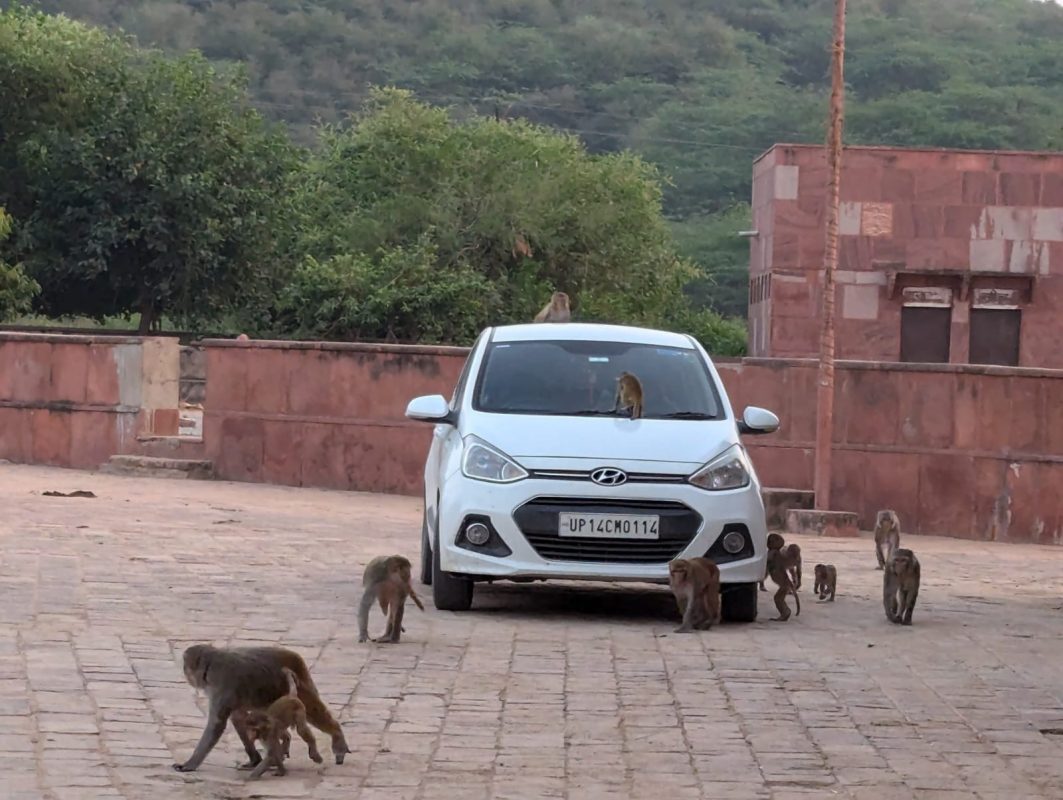
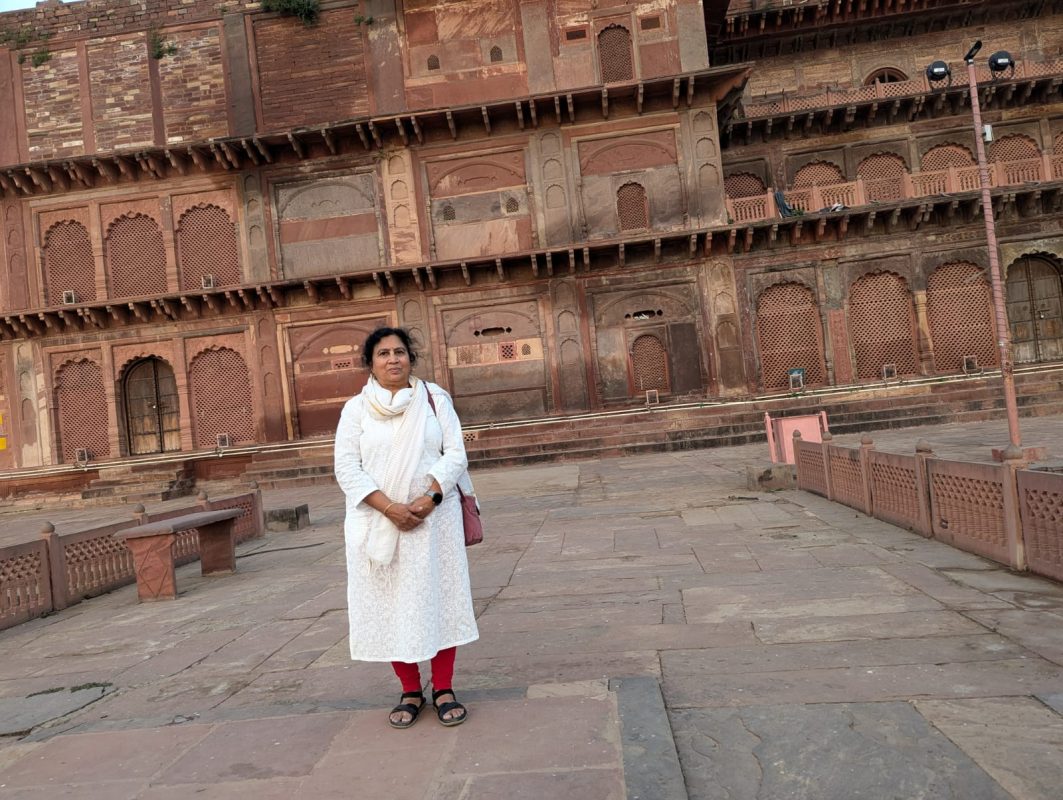
The entire architecture of the area is dated between BC 775 and BC 915, and the temples use the famous stone found in Dholpur. A little further away, one can also see the fort which probably belonged to the king. The ‘Dev Chhat Mela’ festivity is the highlight in September in the temple. Fortunately for me, at the time I visited, there was hardly anybody, and the quietness of the place left me in awe and wonder, making me think of the people who had lived there long ago. Just when we were about to return, I found that the car had been overtaken by monkeys, and it was sort of nice to picture them sitting on top of the car enjoying themselves, tugging, playing, and preening around without a worry. The driver had a tough time driving them away, and with a bit of nostalgia, I left for my interaction with the students at the Rashtriya Military School. My inspirational session with the students was one of the most engaging and lovely things to happen to me, and it will be the highlight of my entire trip. With a feeling of satisfaction and happiness at having been part of so many wonderful things, I went to bed.
Newsletter of the Rashtriya Militray School: